
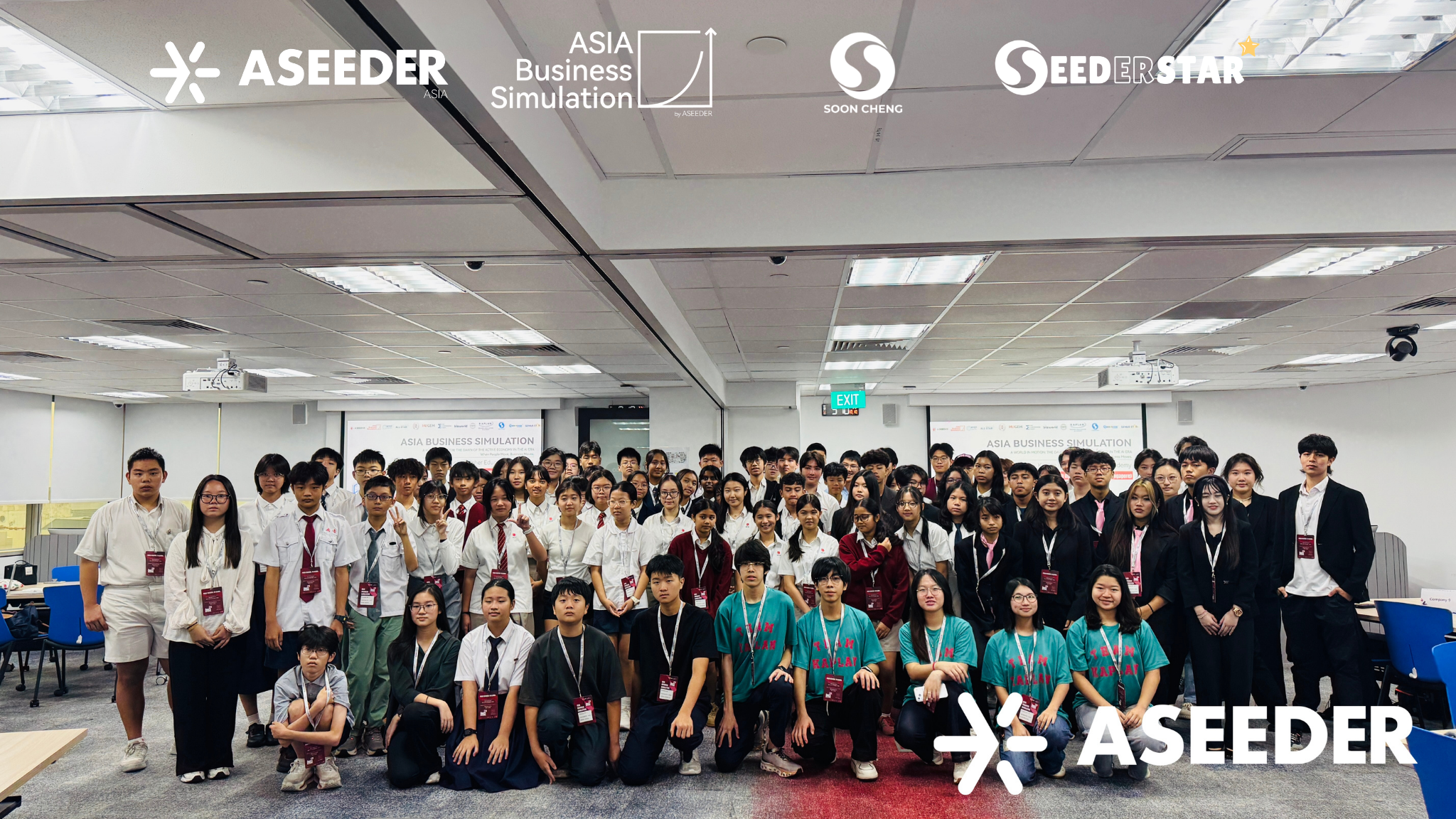
The Asia Business Simulation (ABS) Singapore Regional Round 2026 has successfully concluded, bringing together talented students for two days of business challenges, strategic decision-making, and international collaboration. With 34 schools and students representing 11 countries and regions, the event created an international platform for young minds to explore business, test their ideas, and develop the skills needed to become future leaders.
Organised by Soon Cheng Pte. Ltd. (SeederStar) under the governing authority of ASEEDER (ASDAN), the competition took place on 10–11 October 2026 at Kaplan Higher Education Academy City Campus in Singapore. Designed for students in Grades 6–12, ABS Singapore challenged participants to step into the roles of entrepreneurs and business leaders, making decisions in a simulated business environment.
From managing company operations and allocating resources to presenting business proposals and defending ideas against competitors, students experienced the complexity of business management through practical challenges.
1. Experiencing Real-World Business Through Simulation
The Asia Business Simulation Singapore Round 2026 goes beyond traditional academic learning by giving students the opportunity to apply business concepts in a competitive, hands-on environment.
Throughout the competition, teams worked as simulated companies, making strategic decisions to improve performance, manage resources, and pursue business growth. Participants had to assess different opportunities, consider financial implications, and adapt their approaches as challenges unfolded.
The competition featured four key sessions: Operation, Auction, Pitch Deck, and Business Battle. Each session tested a different aspect of entrepreneurial thinking and business management.
1.1. Auction: Competing for Resources Strategically
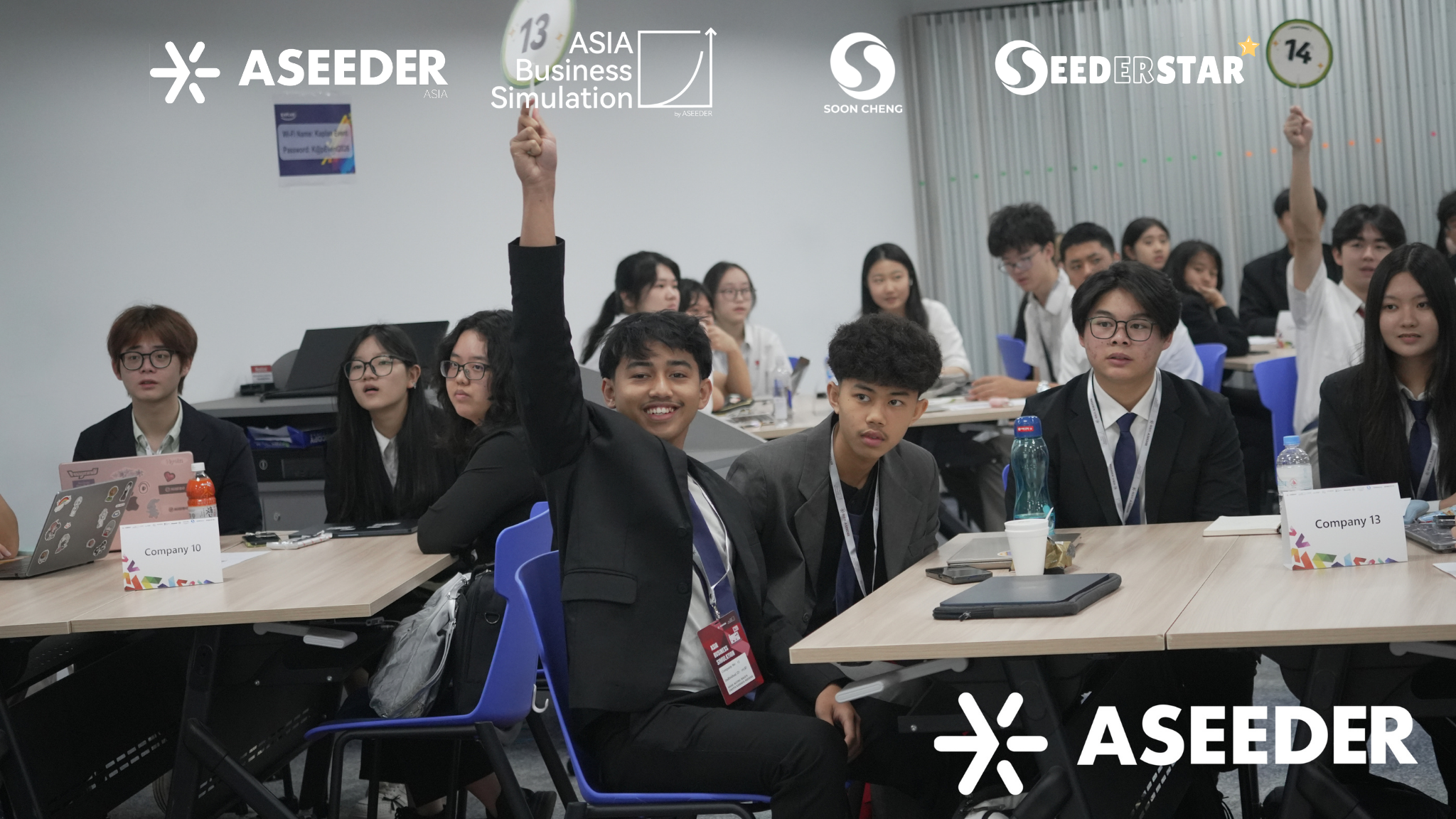
The Auction session challenged teams to bid for essential resources, manage their budgets, and negotiate with other companies. Students had to determine how much they were willing to pay, assess the value of available resources, and plan how to use them efficiently.
Success required more than aggressive bidding. Teams needed to balance immediate opportunities against their remaining budgets, coordinate resources, and make decisions that supported their broader business objectives.
Through this challenge, participants practised strategic thinking, financial awareness, resource allocation, and negotiation.
1.2. Operation: Making Decisions for Business Growth
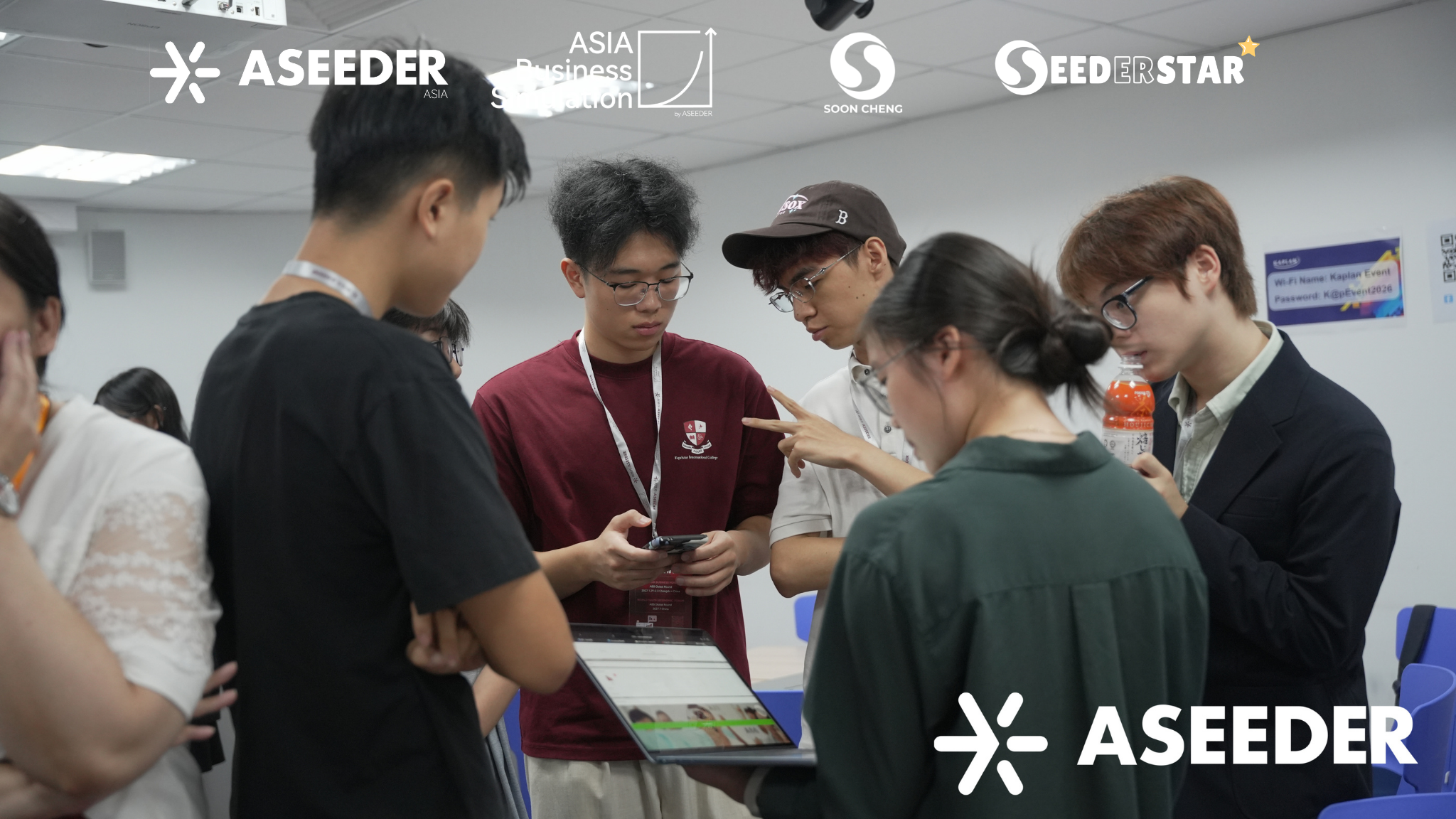
During the Operation session, teams managed their virtual companies by making financial and operational decisions in a simulated marketplace. Participants considered factors such as production costs, pricing, workforce planning, marketing expenditure, and potential sales.
Their objective was to make effective use of available resources while improving business performance and profitability. The session encouraged students to interpret business data, understand the relationship between revenue and costs, and recognise how individual decisions can affect overall results.
1.3. Pitch Deck: Turning Ideas into Business Proposals
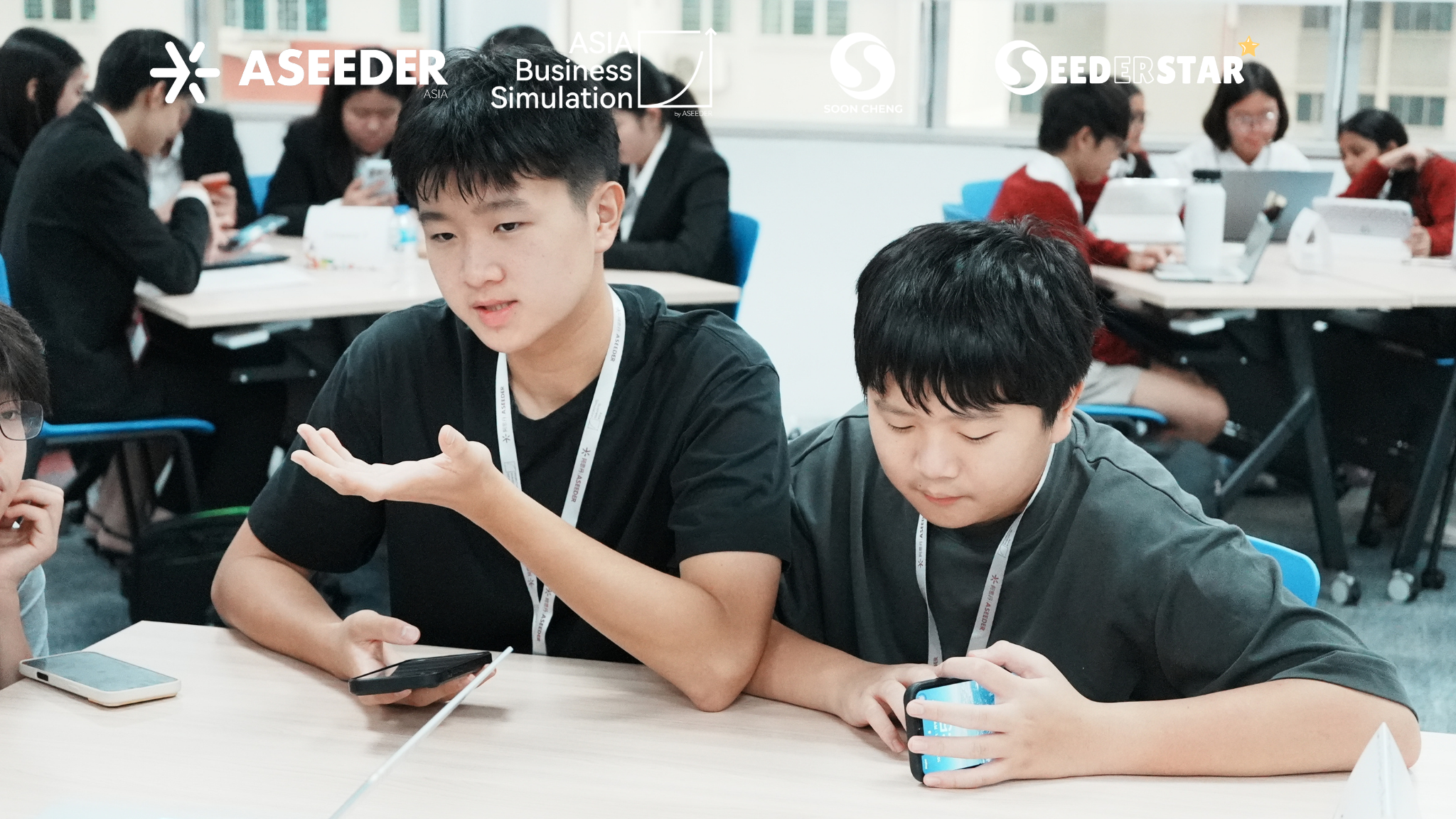
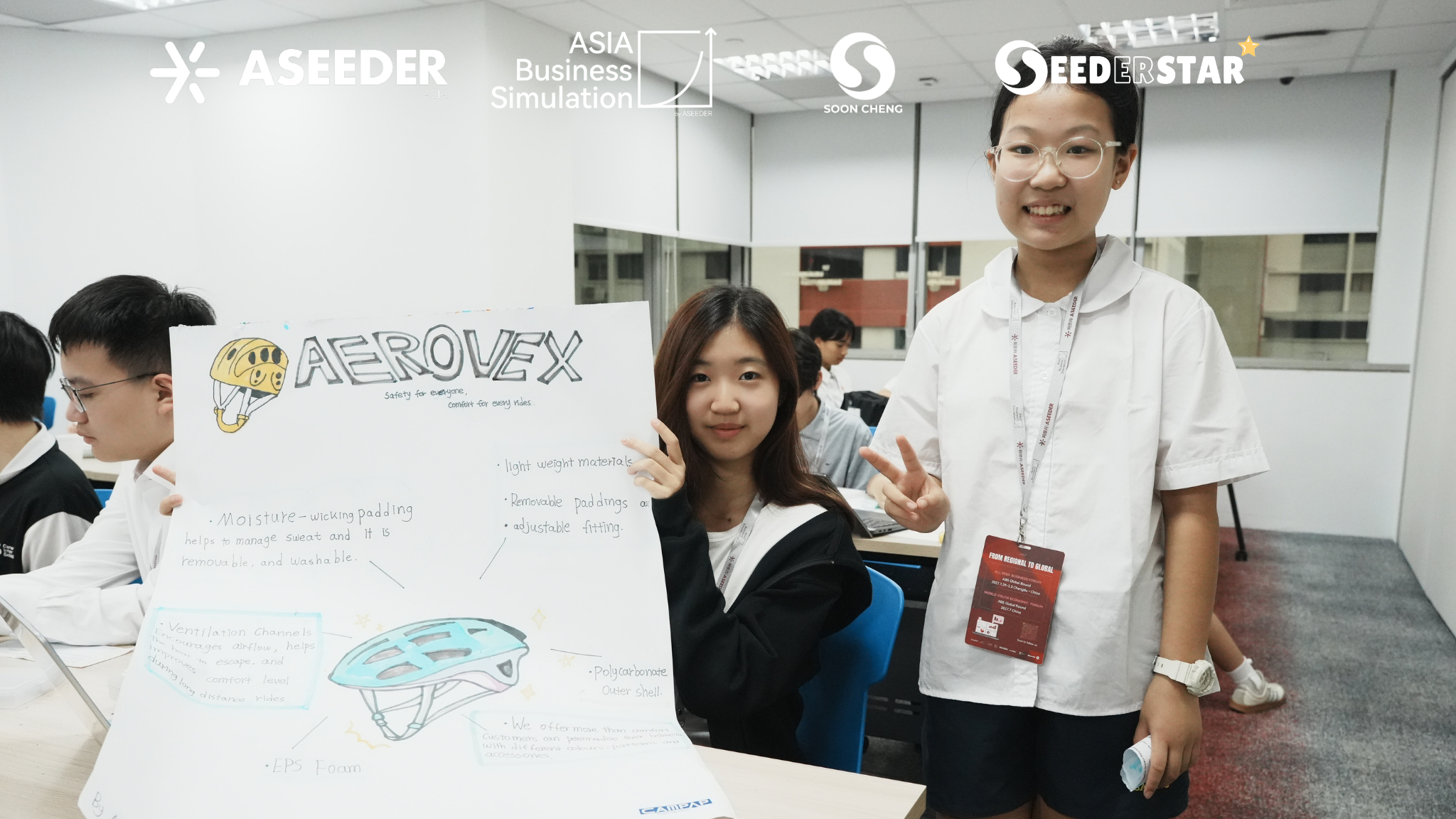
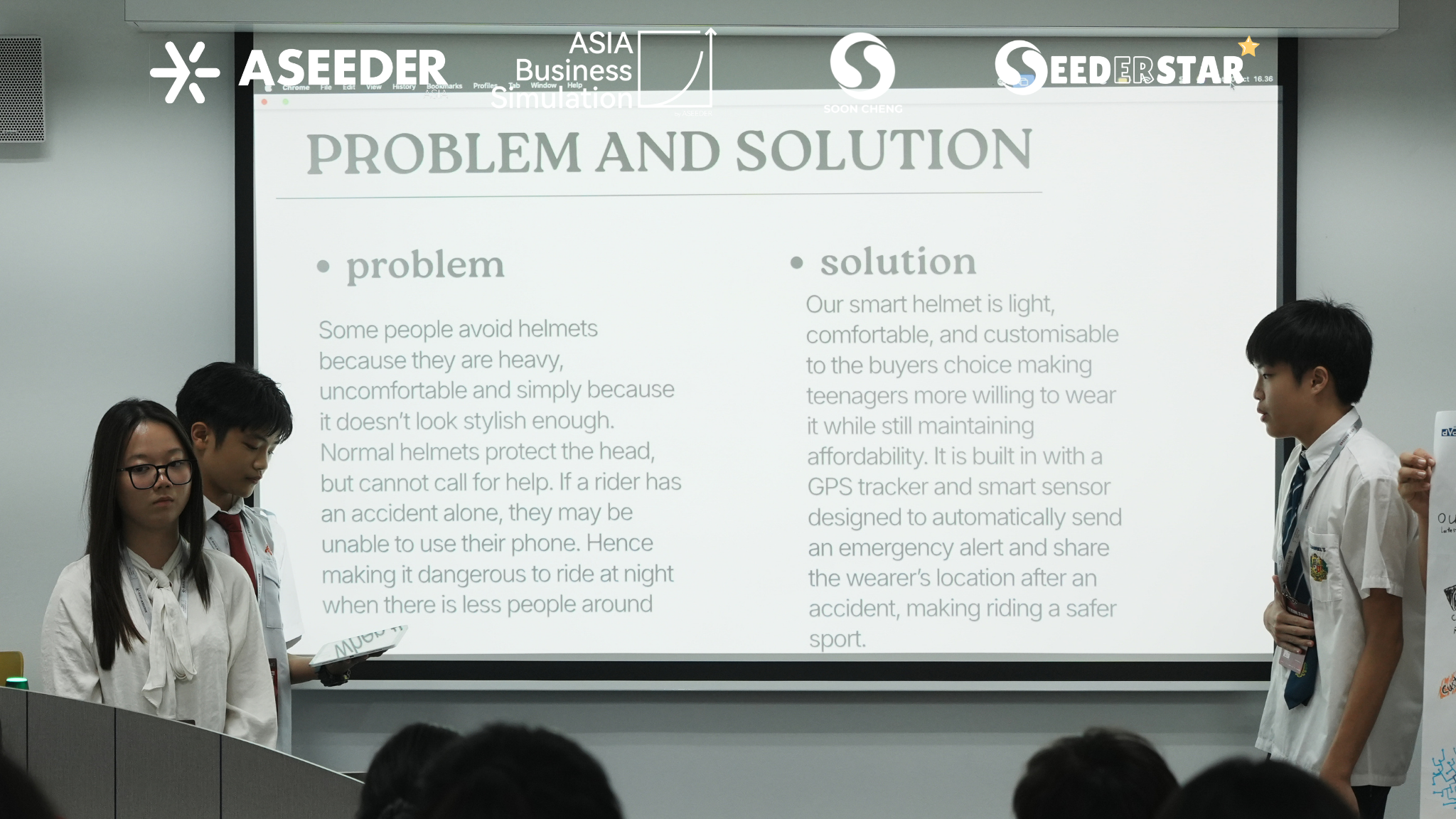
In the Pitch Deck session, teams developed business proposals and presented their ideas to potential investors. Students were challenged to identify problems, understand target markets, communicate their value propositions, and demonstrate how their ideas could become practical solutions.
The session encouraged participants to think beyond the initial idea and consider feasibility, marketing, competitive advantages, and future growth.
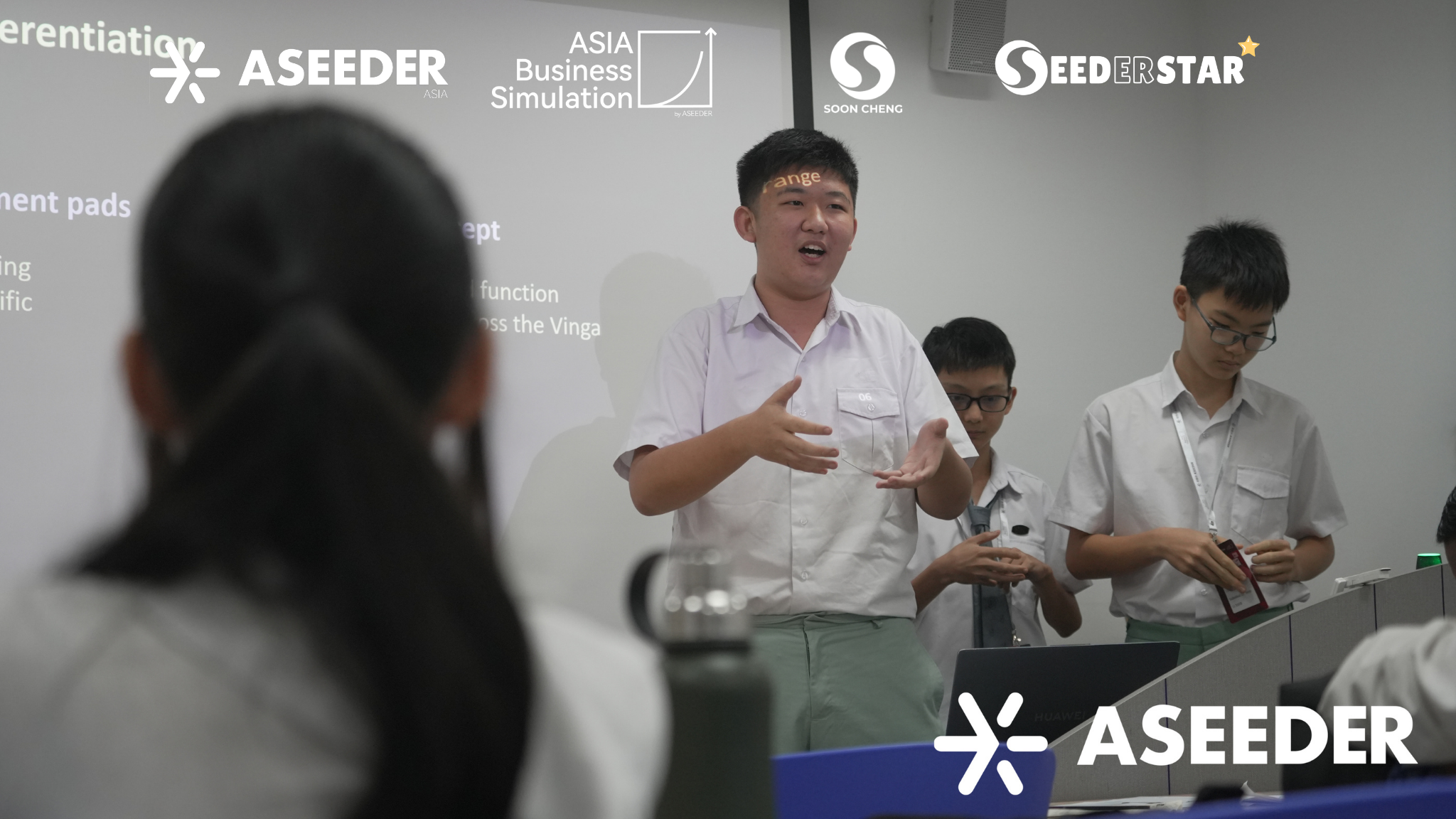
By presenting their proposals, students strengthened their communication, public speaking, persuasion, and presentation skills while learning how to turn an idea into a structured business plan.
1.4. Business Battle: Defending Ideas and Creating Impact
The Business Battle session pushed teams to examine their proposals from different perspectives and respond confidently to questions from competitors.
Students were encouraged to incorporate sustainability into their business thinking and consider how their proposals could address broader social and environmental challenges. They had to explain their reasoning, defend their strategic choices, and demonstrate the value of their ideas under pressure.
This challenge highlighted the importance of critical thinking, adaptability, and persuasive communication. It also encouraged students to recognise that successful business strategies can consider both commercial objectives and wider societal needs.
Together, the four sessions provided a comprehensive learning experience, connecting business operations, financial decision-making, entrepreneurship, and strategic communication.
1.5. Beyond Business Simulation: Business Foundation Quiz by Yale (YES Quiz)
Alongside the core business simulation challenges, the ABS Singapore Regional Round 2026 also featured the Business Foundation Quiz by Yale YES, adding an individual knowledge-based dimension to the competition.
The quiz consisted of 25 multiple-choice questions to be completed in 30 minutes on a digital device. All team members were eligible to participate, giving students another opportunity to demonstrate their understanding of business fundamentals and entrepreneurial concepts.
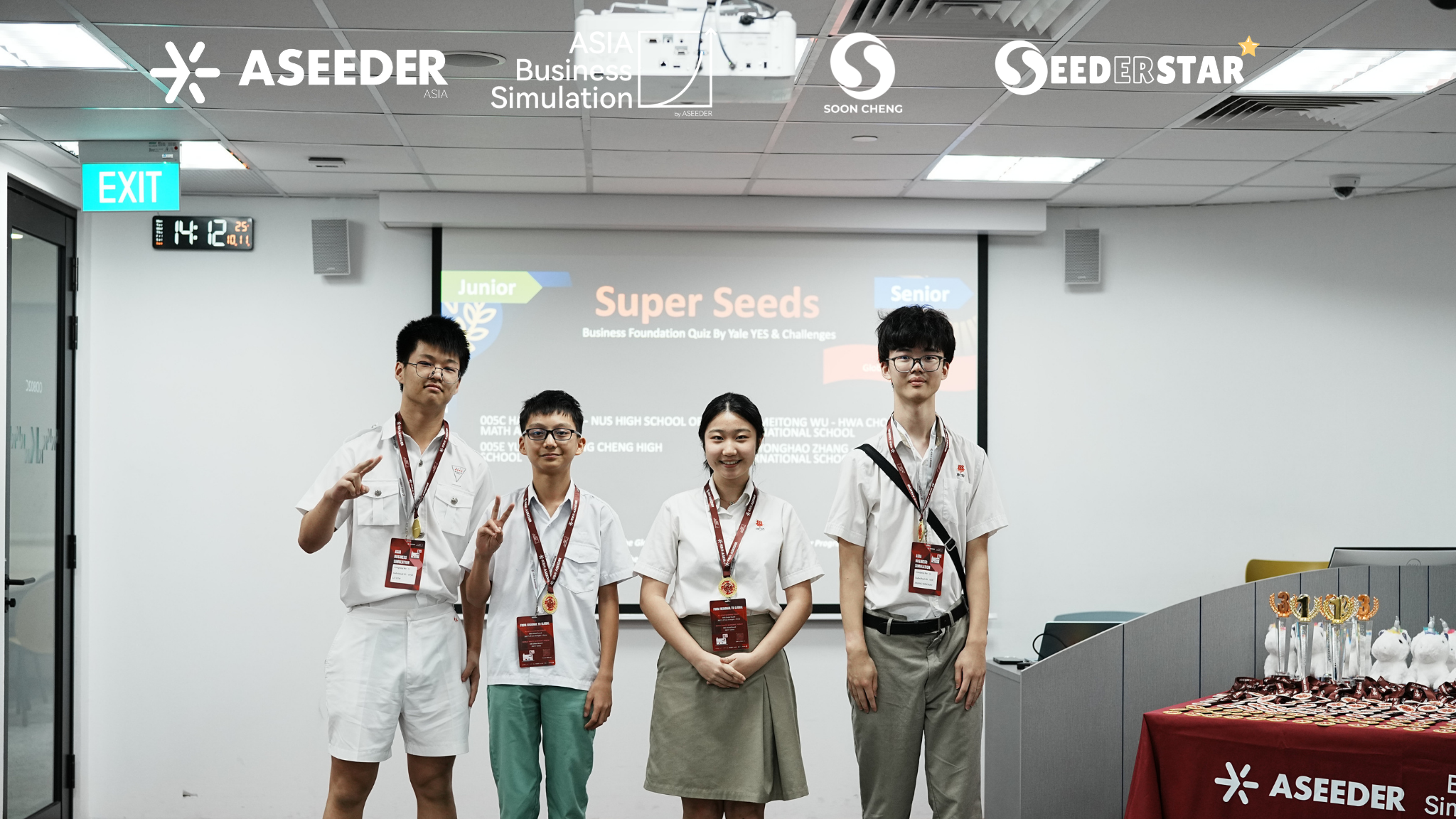
Individual awards included Super Seeds, Gold, Silver, and Bronze Seeds. Award recipients would receive certificates from the Yale Entrepreneurial Society, recognising their performance in the quiz.
The Super Seeds Award also offered an additional development opportunity: recipients could fast-track to the next stage through a choice between the YES Young Economist Incubator Program Committee and the ABS Global Round (WYEF) Committee.
By combining team-based business simulation with an individual knowledge challenge, ABS Singapore encouraged students to develop both collaborative problem-solving skills and their own business knowledge. The quiz further broadened the learning experience, reinforcing the importance of building a strong foundation in business and economics as students pursue future opportunities.
2. Building Future Leaders Through International Collaboration
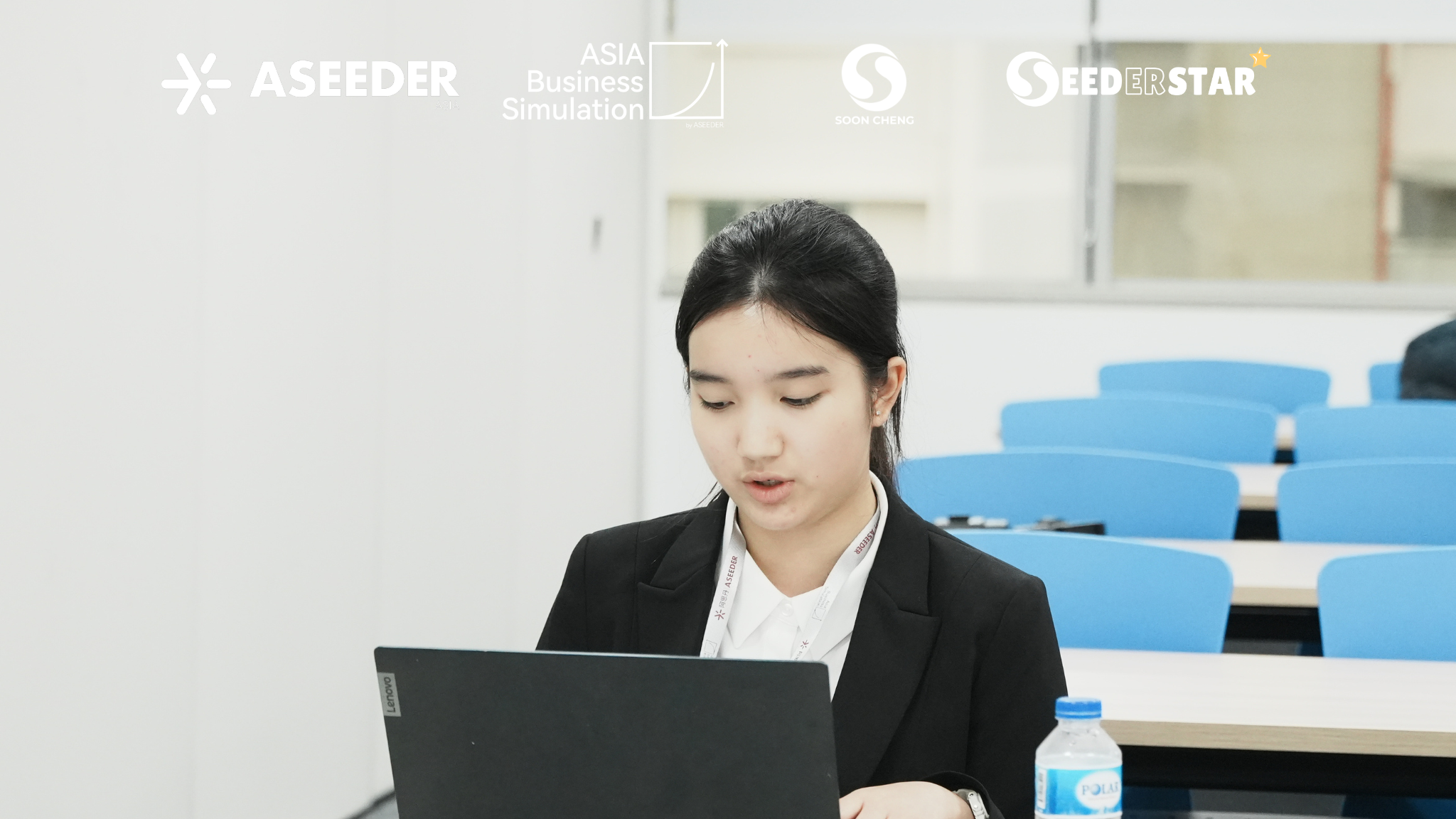
Beyond the competition itself, ABS Singapore created opportunities for students to learn from peers with different backgrounds, experiences, and perspectives.
Working in teams, participants exchanged ideas, challenged assumptions, and developed strategies together. They learned to listen to different viewpoints, manage disagreements constructively, and make collective decisions within limited time and resources.
The international setting added further value to the experience. Bringing together students from 11 countries and regions encouraged cross-cultural communication, broadened perspectives, and created opportunities to form new friendships and connections.
These experiences reflect the broader purpose of business simulation: helping students understand how knowledge can be applied, how decisions influence outcomes, and how collaboration can turn challenges into opportunities.
Through ABS, students can develop valuable skills for the future, including:
- Strategic thinking: Evaluating situations and making decisions with clear objectives.
- Financial literacy: Understanding budgets, costs, revenue, and resource allocation.
- Entrepreneurial mindset: Identifying opportunities and developing practical solutions.
- Critical thinking: Assessing information, challenging assumptions, and responding to unexpected situations.
- Communication and teamwork: Sharing ideas, presenting proposals, and working towards common goals.
- Adaptability and resilience: Learning from challenges and adjusting strategies when circumstances change.
These capabilities can support students not only in future business endeavours but also in their academic journeys and everyday decision-making.
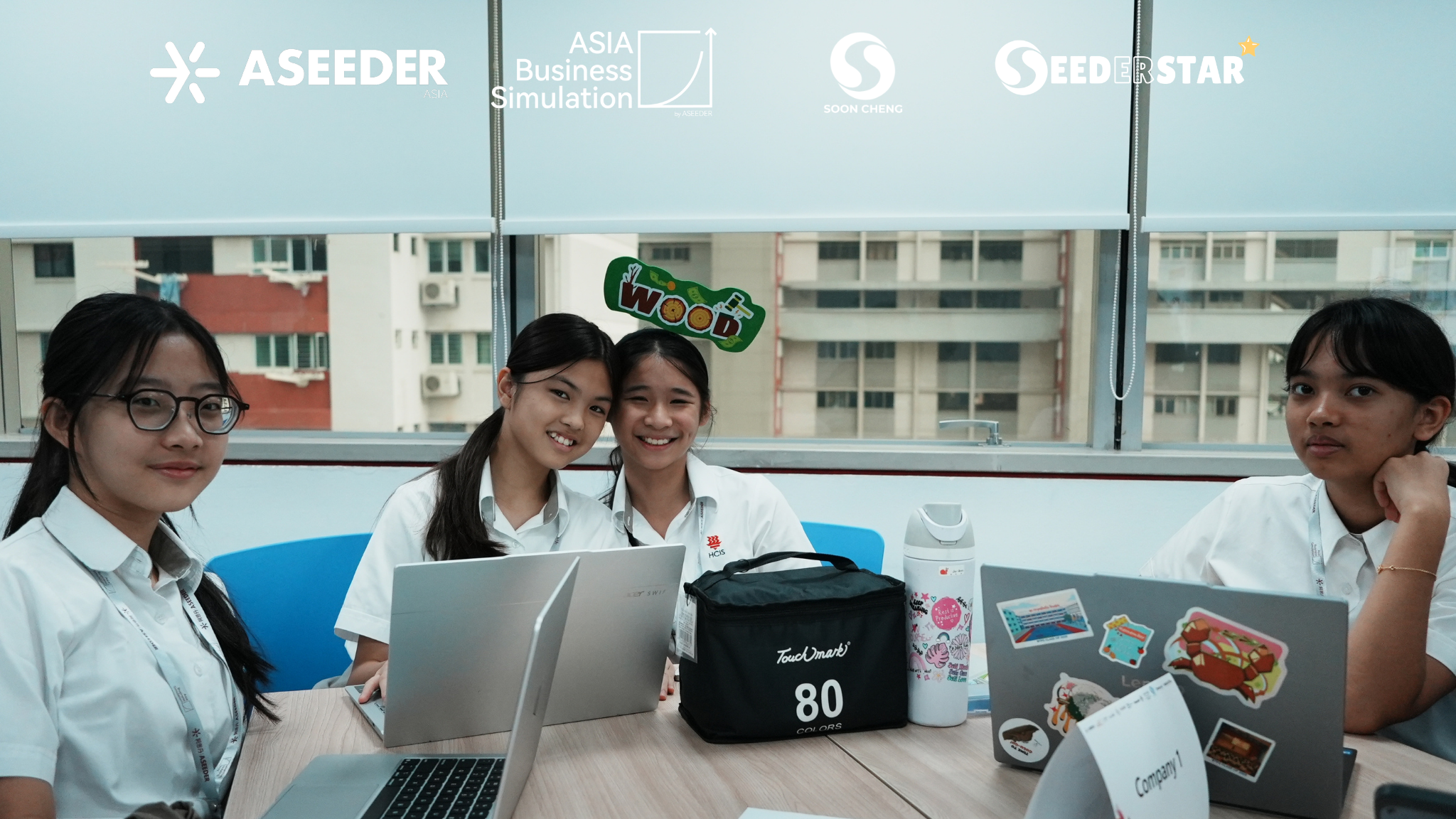
3. Celebrating Every Achievement at ABS Singapore 2026
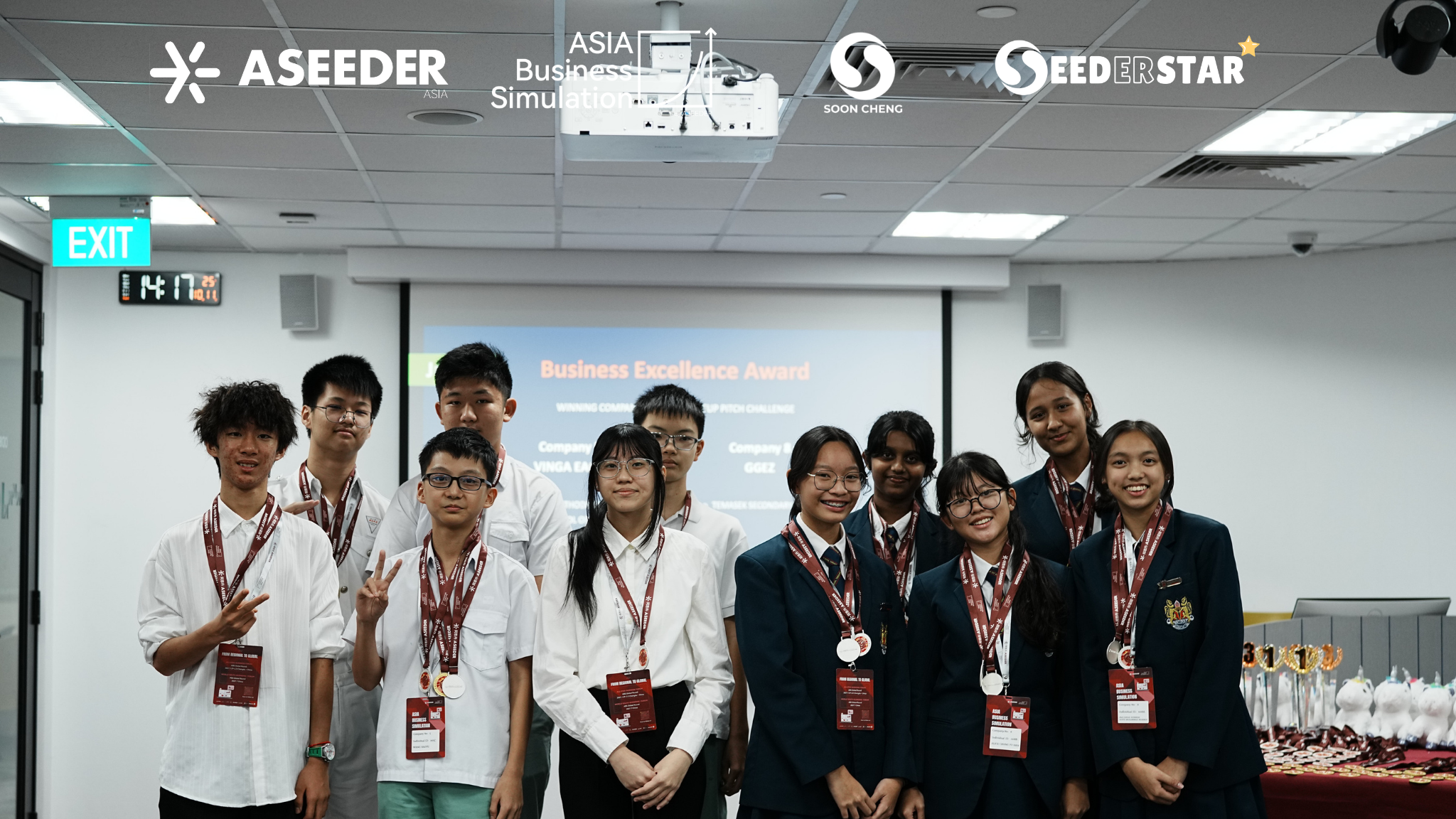
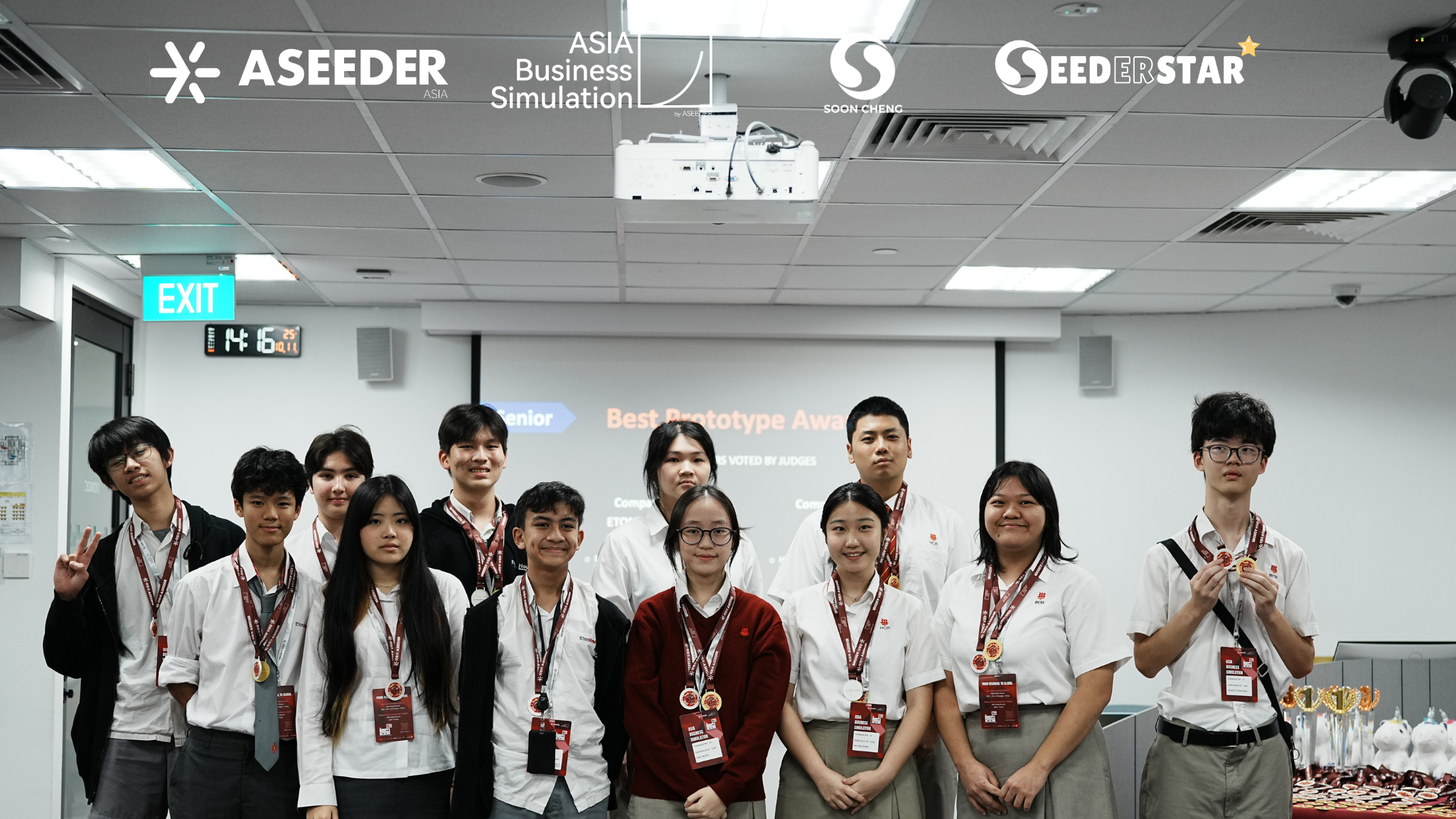
Congratulations to all the winning teams for their outstanding performance, creativity, and entrepreneurial spirit throughout the competition.
At the same time, every participant deserves recognition for taking on the challenge, contributing to their team, and embracing the opportunity to learn through experience.
Beyond awards and rankings, the value of ABS lies in the process: testing ideas, making difficult decisions, learning from setbacks, and discovering new ways to approach problems. Every challenge provided an opportunity for students to strengthen their confidence and develop a deeper understanding of business.
Soon Cheng extends its heartfelt appreciation to Kaplan Singapore, all participating schools, teachers, parents, academic partners, volunteers, and the organising team for their trust, dedication, and support.
Their contributions helped bring together a diverse community of young talents and made the ABS Singapore Regional Round 2026 a memorable international learning experience.
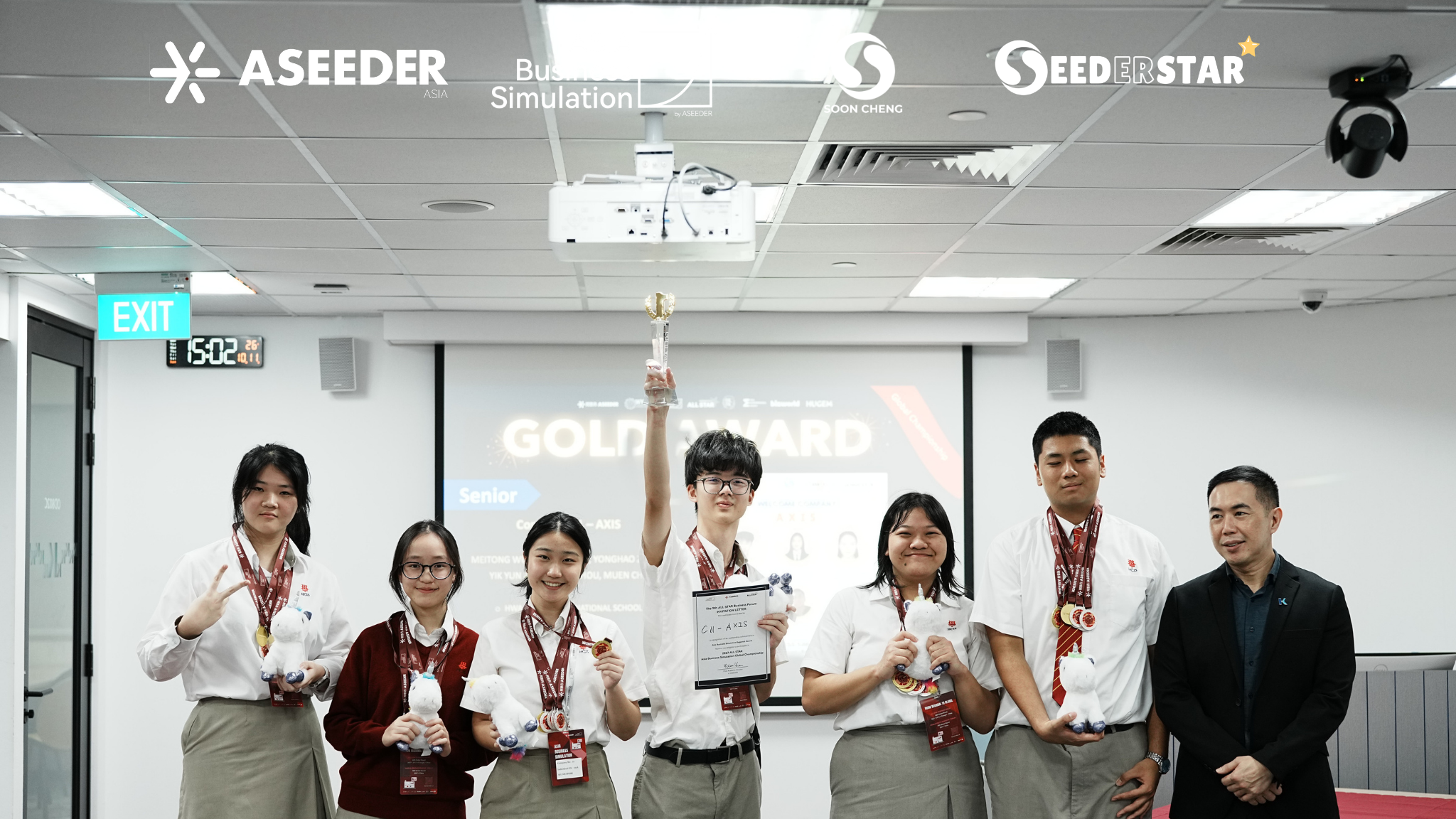
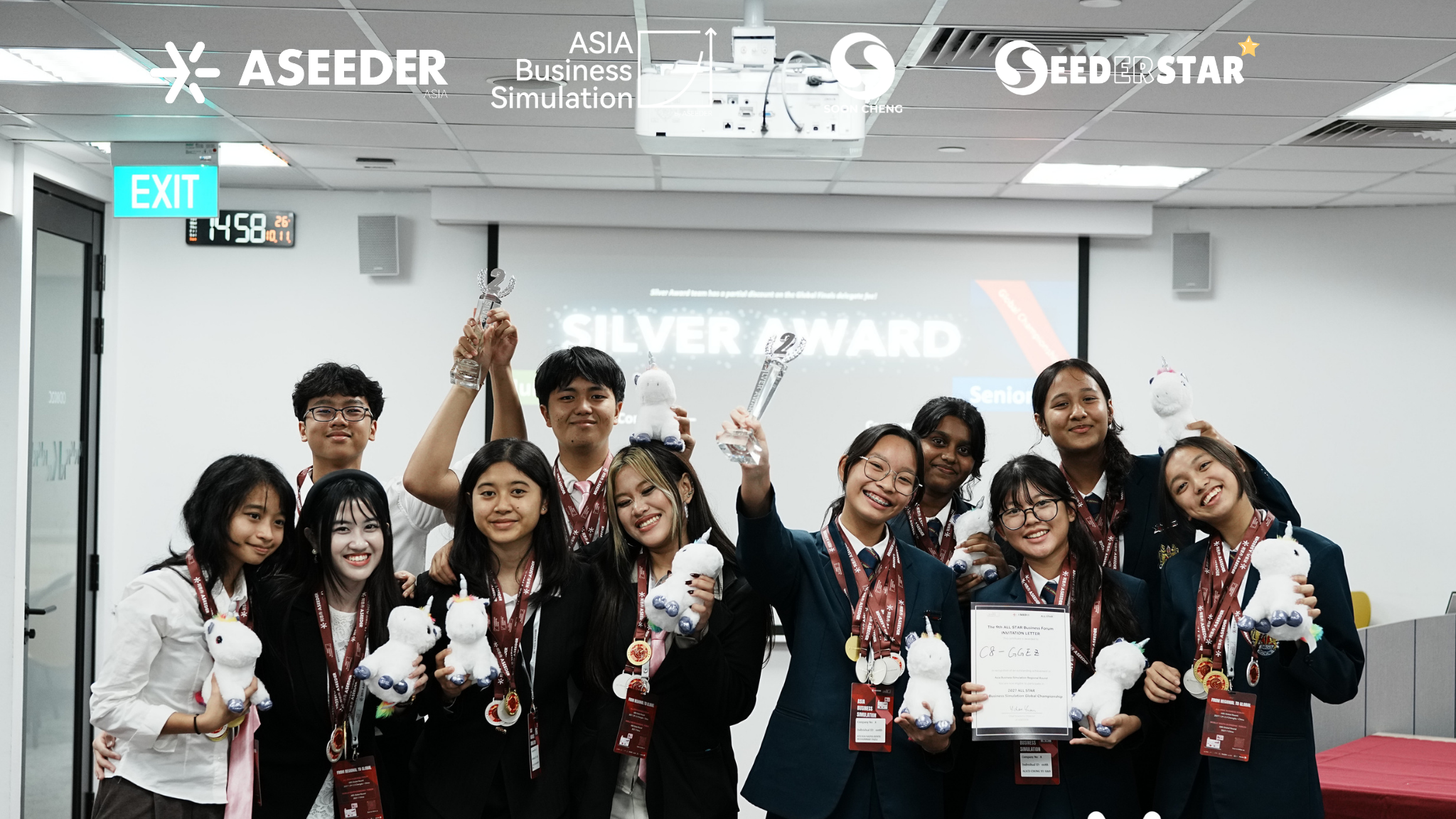
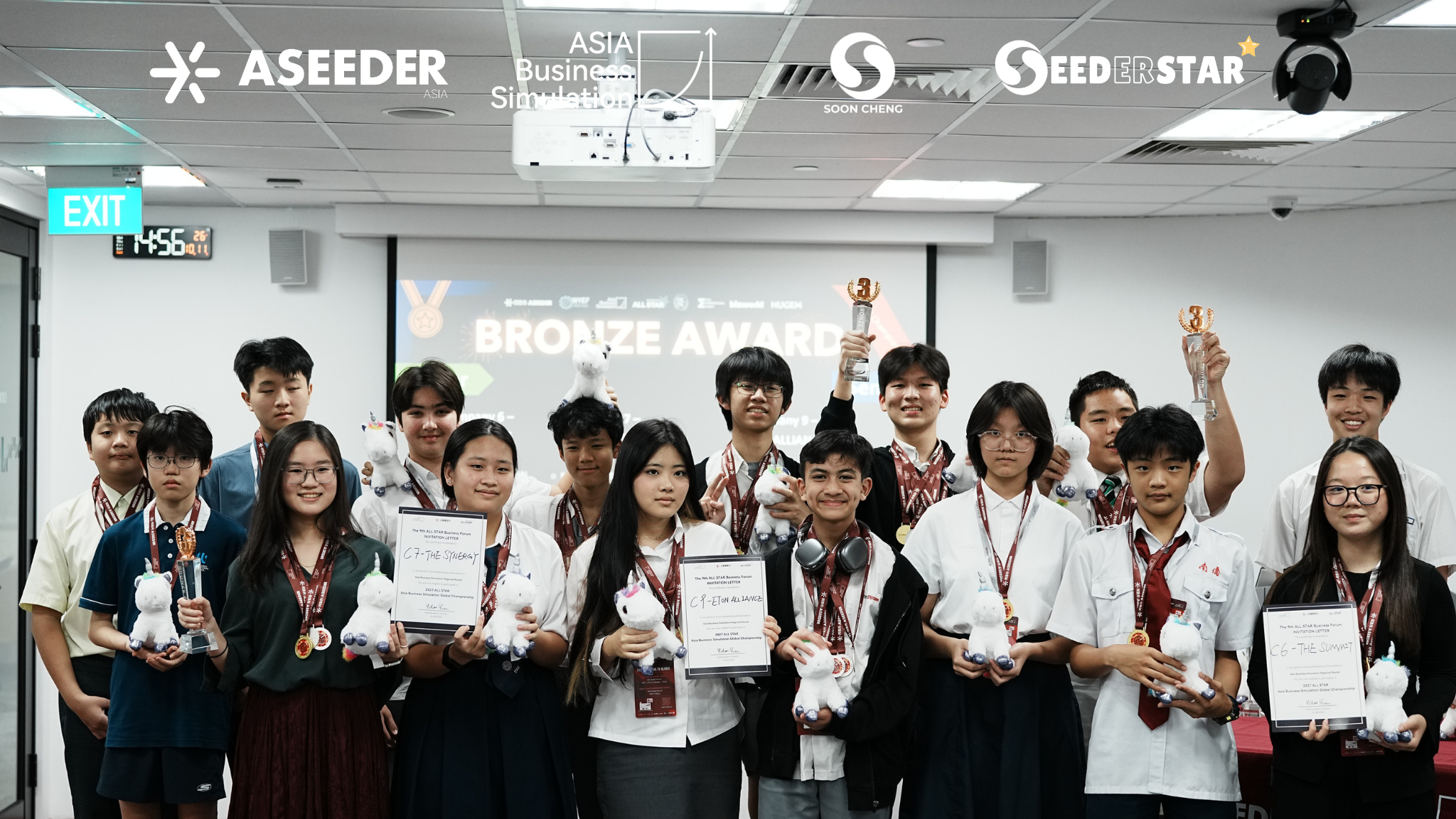
4. The Next Chapter: ABS Global Round – ALL STAR 2027
The conclusion of ABS Singapore marks the beginning of another exciting stage for students ready to continue their journey in business simulation.
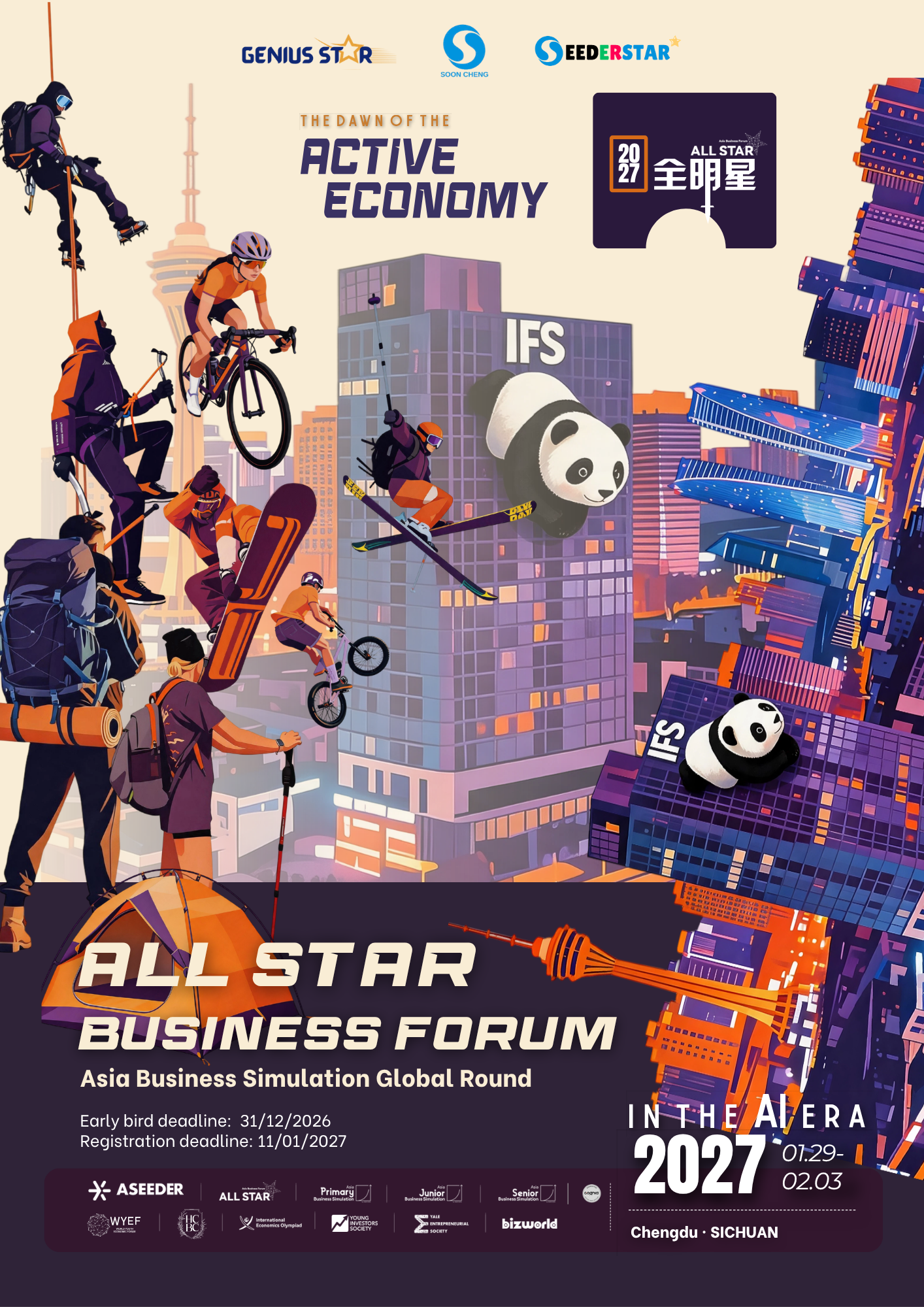
As highlighted in the event communications, the next opportunity is the ALL STAR Business Forum Global Championship, announced for 29 January in Chengdu, China. For outstanding teams progressing to the next stage, the global platform offers a new opportunity to challenge themselves, demonstrate their capabilities, and connect with a wider international community.
The experience gained in Singapore will provide a valuable foundation as students prepare for new challenges. The ability to think strategically, manage resources, communicate ideas, and work effectively as a team will remain essential as they take their next steps.
The competition may have ended, but the ambition to learn, innovate, and lead continues.
Asia Business Simulation — Connecting Young Minds. Inspiring Global Ambitions. Empowering Tomorrow’s Leaders.
Think big. Strategise smart. Work as one.
See you on the global stage!